

Acne, pigmentation and rosacea are chronic conditions — and they deserve an honest plan, not a shelf of products.
This is the professional site of Yongbo Jia, MD (贾勇波), Head of Dermatology and Deputy Director of the Plastic Surgery & Aesthetics Medical Center at Chongqing West District Hospital. It covers one focused part of his practice: the medical control of teenage, adult and hormonal acne, the care of pigment conditions including melasma and post-inflammatory marks, and the management of rosacea and facial redness — with the timelines and the limits stated plainly.
Diagnosis before treatment, treatment judged over eight to twelve weeks rather than over a weekend, and the full resources of a tertiary general hospital behind every plan.
- Evidence-based care
- Diagnosis before treatment
- Honest timelines and expectations
- Tertiary-hospital safety net
Care that starts with a diagnosis, not a product
Acne, rosacea and pigment conditions can look alike and behave differently. Whether the problem is active acne, a stubborn patch of pigment or a face that flushes every afternoon, every plan follows the same three principles.
Assess & diagnose
The condition is identified first: lesion types and severity, the pattern and distribution, the marks and dents already forming, the products in use, the hormonal and medical history, and the conditions that imitate acne or rosacea. The assessment decides the plan.
Treat in steps
Treatment follows the evidence for the diagnosis: topical and oral classes for acne, subtype-directed management for rosacea, photoprotection and supervised pigment treatment for melasma. Procedures are added once the condition is quiet, not before.
Manage long term
Acne and rosacea are chronic and relapsing, and melasma returns when protection stops. A maintenance routine and scheduled review are part of the plan from the beginning, because stopping everything at clear skin is how flares come back.
One focused practice, one hospital behind it
Dr. Jia heads the dermatology service of the Plastic Surgery & Aesthetics Medical Center at Chongqing West District Hospital, working alongside Center Director Shaoliang Wang, Tongchun Mao and Ke He — so questions that cross into surgery, laser treatment or another specialty are answered inside the same department.
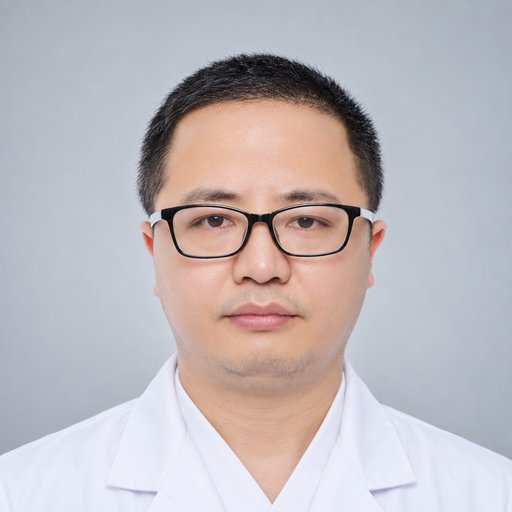
Yongbo Jia, MD (贾勇波)
Dermatology · Head of Dermatology & Deputy Director
Head of dermatology and the lead physician of this site: medical control of teenage, adult and hormonal acne, the diagnosis of acne look-alikes, pigment conditions including melasma and post-inflammatory marks, and the management of rosacea.
View profile →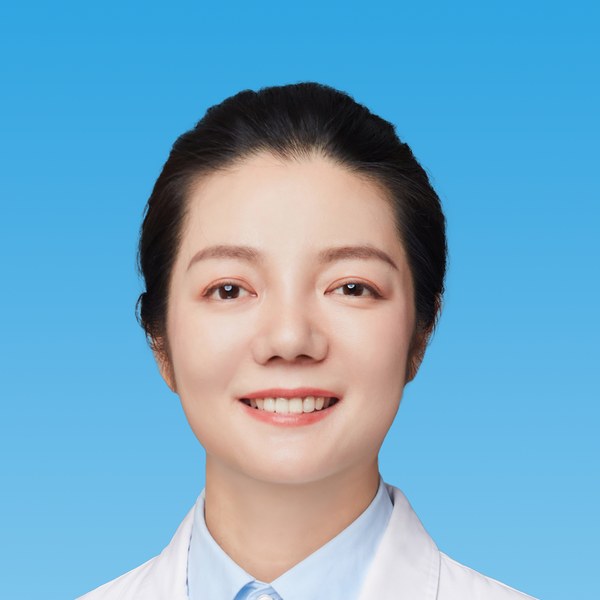
Ke He, MD (何锞)
Skin & Laser Aesthetics · Deputy Director
Deputy Director and head of the skin and laser aesthetic service; the procedural arm of the work, including the laser and energy-based treatment of marks, redness and scar texture that outlast the active condition.
View profile →
Tongchun Mao, MD (毛彤春)
Aesthetic Surgery · Deputy Director
Deputy Director and head of aesthetic surgery; the surgical reference point when a lesion or a scar needs removal, and the source of the closure technique that decides how a surgical line heals.
View profile →
Shaoliang Wang, MD (王韶亮)
Plastic Surgery · Center Director
Director of the Plastic Surgery & Aesthetics Medical Center; provides the surgical perspective and the tertiary-hospital backstop behind the center’s work, including surgical scar revision.
View profile →Acne, pigment and redness, explained honestly
Start with the basics: what drives acne and rosacea, which treatment classes exist and what they require, how a routine is built, and why melasma is managed rather than cured and scars are improved rather than erased.
Assessing Acne and Building a Treatment Plan
How acne is graded, what the assessment records, which conditions imitate it, and how a plan is sequenced and judged at eight to twelve weeks.
Read the guide →Teen Acne and Adult Acne: What Actually Differs
The same disease against two different backgrounds: how teenage and adult acne differ in drivers, distribution and tolerance for treatment.
Read the guide →Hormonal Acne and When Endocrine Workup Is Warranted
What a hormonal pattern looks like, why most hormonal acne needs no extensive testing, and the specific signs that make endocrine assessment worthwhile.
Read the guide →Topical Acne Treatment Classes
Retinoids, antimicrobials and acids: what each topical class does, how the classes are combined, and why eight to twelve weeks is the fair trial.
Read the guide →Oral Acne Treatment Classes: What They Do and What They Require
Oral antibiotics, hormonal agents and isotretinoin: what each class is for, what monitoring isotretinoin requires, and why every course is finite.
Read the guide →Acne and Diet: What the Evidence Actually Supports
Which dietary links are supported by evidence, which are weak, and why diet is an addition to acne treatment rather than a replacement for it.
Read the guide →We will not sell you certainty we do not have
No treatment clears every case of acne, no routine works for everyone, and no procedure erases a scar. Response is judged at eight to twelve weeks, not at two. Isotretinoin carries real risks and requires monitoring. Melasma is controlled rather than cured, and it returns when photoprotection stops. Anyone who tells you otherwise is not giving you honest medical advice.
Ready to take your acne, pigmentation or redness seriously?
Reach out for a consultation. We will assess the condition, explain what treatment can realistically do and how long it takes, and plan control and long-term management with you.
Part of Acne and Acne Scarring — 5 sites on this topic